
Why protein may be worth noticing
Some people taking GLP-1 medicines experience reduced appetite or find that their usual portions feel too large. When total food intake changes, it can be useful to notice whether meals still contain a varied balance of foods, including protein sources.
That does not mean everyone needs the same protein target. Needs can differ with age, body size, activity, kidney or liver conditions, pregnancy, illness and other factors. A dietitian or clinician should advise on an individual target when one is needed.
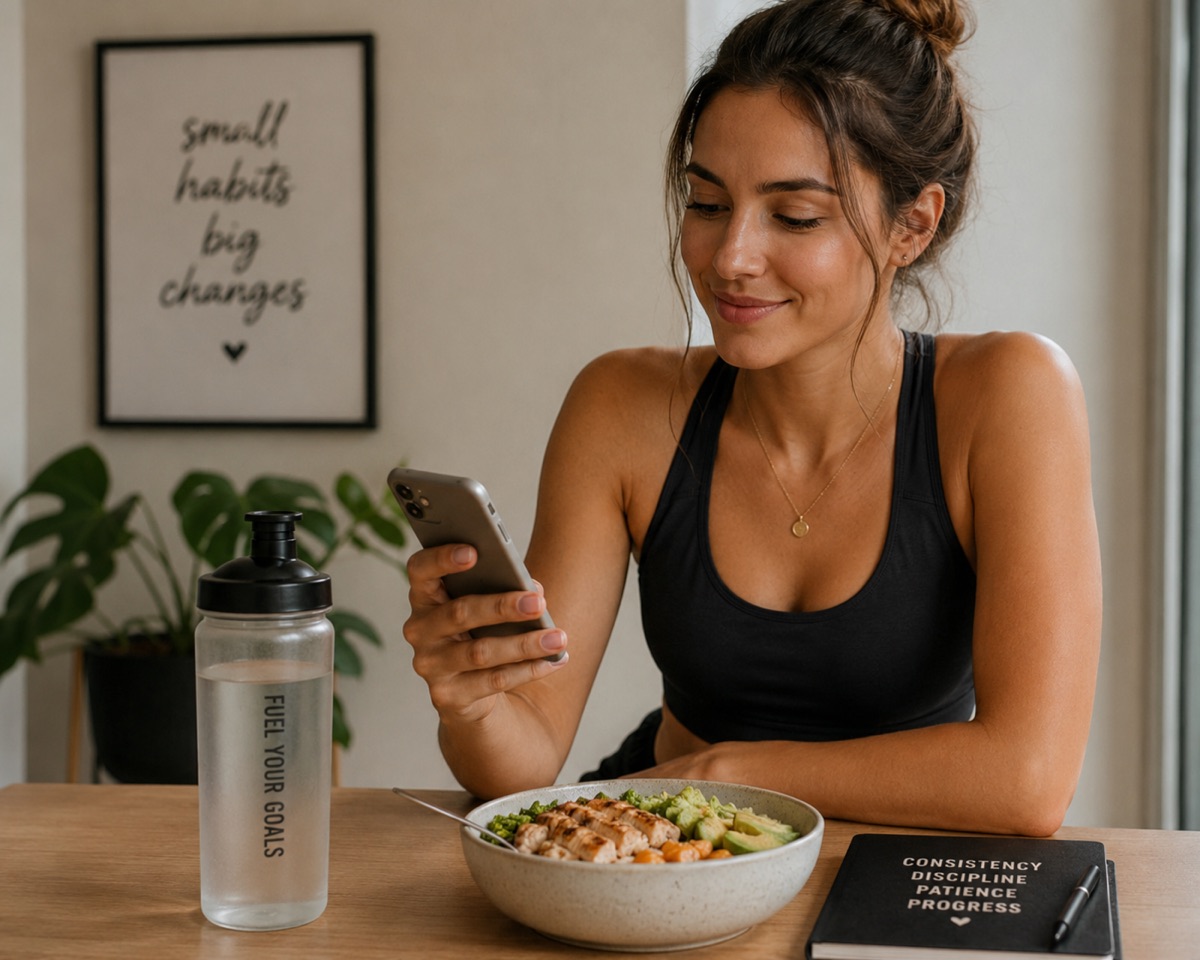
A practical way to track food
You do not have to count every gram. A lighter approach is to note whether a meal included a protein-containing food and whether you were able to finish a comfortable portion. Over several days, this may reveal meals that regularly feel difficult or times when appetite is especially low.
Examples of protein-containing foods
Depending on your preferences and dietary needs, options can include eggs, fish, poultry, lean meat, milk, yoghurt, cheese, beans, lentils, chickpeas, tofu, tempeh, nuts and seeds. The wider meal still matters: NICE recommends a flexible, individualised and nutritionally balanced approach rather than an unnecessarily restrictive diet.
Smaller, manageable choices
When a full meal feels difficult, some people find smaller portions or spreading food across the day more manageable. Persistent difficulty eating, repeated vomiting, rapid deterioration or concern about nutritional intake should be discussed with a healthcare professional rather than managed only through an app.
Protein is one part of preserving function
Muscle and physical function are influenced by more than protein alone. Appropriate physical activity, including strengthening activity when suitable, forms part of wider health guidance. Anyone with mobility limitations, frailty, pain, cardiovascular concerns or another health condition should ask a qualified professional what activity is appropriate.
A useful tracker can place food notes beside movement, energy and progress, helping you bring a more complete picture to a dietitian or clinician.